Is Delta-9 THC Real Weed?
As cannabis laws evolve, more cannabinoids like Delta-9 THC are coming into the spotlight. While most people are familiar with the psychoactive effects of cannabis, the term "Delta-9" is frequently mentioned in discussions about legality, potency, and its status as "real weed." So, what exactly is Delta-9 THC, and how does it compare to traditional marijuana? Let's dive deep into the science, effects, and legality of Delta-9 to answer the ultimate question—Is Delta-9 THC real weed?
What is Delta-9 THC?
Delta-9 THC (tetrahydrocannabinol) is the primary psychoactive compound found in cannabis plants. This cannabinoid is responsible for producing the "high" sensation that marijuana users experience. When people refer to marijuana, Delta-9 is typically what they are talking about because it’s the most well-known and well-researched component of cannabis.
How Does Delta-9 THC Work in the Body?
When you consume Delta-9 THC, whether by smoking, vaping, or ingesting, it binds to cannabinoid receptors in your brain and body, particularly CB1 receptors. These receptors are part of the body's endocannabinoid system, which plays a role in regulating mood, appetite, pain, and other physiological processes.
Delta-9 THC activates these receptors, resulting in the euphoric, mind-altering effects associated with cannabis. This interaction is what makes Delta-9 THC a critical component of what people recognize as "weed."
Delta-9 THC vs. Delta-8 THC: What’s the Difference?
Delta-9 THC often gets confused with other cannabinoids like Delta-8 THC. Both cannabinoids share similar chemical structures but have different effects and legal statuses.
Potency and Effects:
- Delta-9 THC: Known for its stronger psychoactive effects, it is more potent than Delta-8 THC. Users often describe the high from Delta-9 as more intense and euphoric.
- Delta-8 THC: Considered a milder version, Delta-8 produces more of a relaxing, calm high. It’s often marketed as a less anxiety-inducing alternative to Delta-9.
Legal Status:
- Delta-9 THC: Heavily regulated under federal law in the United States. It’s legal for recreational use in some states and illegal in others.
- Delta-8 THC: Loopholes in legislation have made Delta-8 THC more widely available, although its legality is also under scrutiny.
The Legality of Delta-9 THC: Is it Legal in Your State?
The legality of Delta-9 THC varies depending on where you live. Under the 2023 Farm Bill, cannabis products that contain more than 0.3% Delta-9 THC on a dry-weight basis are considered illegal federally. However, state laws differ:
- Recreationally legal states like California, Colorado, and Oregon allow Delta-9 THC for both medical and recreational use.
- Medical marijuana states require a medical prescription for cannabis containing Delta-9 THC.
- Prohibited states still ban any cannabis products, including those containing Delta-9 THC.
It’s crucial to check your state’s laws to know if Delta-9 THC is legal in your area. States like Texas, Idaho, and Nebraska still have stringent anti-cannabis laws, even against Delta-9.
Can Delta-9 THC Be Derived from Hemp?
Yes, Delta-9 THC can be derived from both marijuana and hemp. This is a key factor in its legal classification. Hemp-derived Delta-9 THC products are legal under federal law, as long as they contain less than 0.3% Delta-9 THC. This distinction allows for the production of certain Delta-9 THC edibles and tinctures that adhere to these legal requirements, even in states where marijuana remains illegal.
How Does Delta-9 Compare to Other Cannabinoids Like CBD?
While Delta-9 THC is known for its psychoactive properties, CBD (cannabidiol) is another prominent cannabinoid found in cannabis that doesn’t produce a high. Here's how they differ:
- Psychoactivity: Delta-9 THC is psychoactive, while CBD is non-psychoactive.
- Legality: CBD derived from hemp is legal under federal law as long as it contains less than 0.3% THC, while Delta-9 THC is heavily regulated.
- Effects: Delta-9 THC alters perception, mood, and cognition, whereas CBD is often used for its calming, anti-inflammatory properties without affecting mental clarity.
Is Delta-9 THC Considered Real Weed?
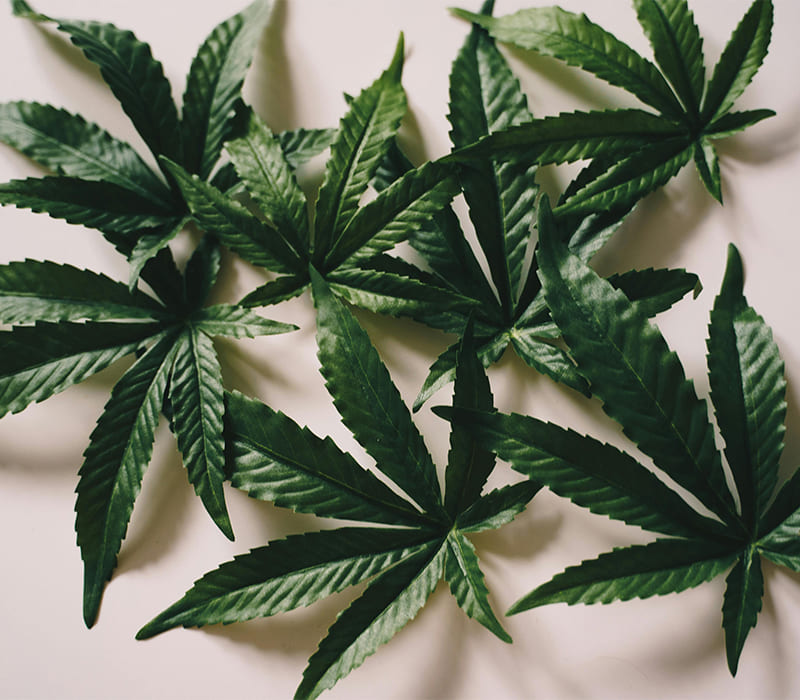
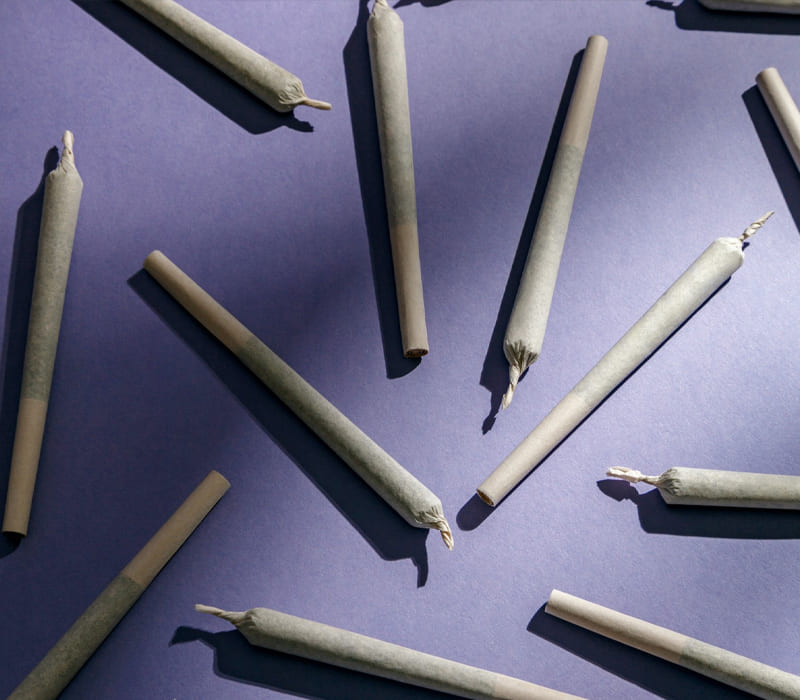
To answer the question directly—Yes, Delta-9 THC is real weed. It is the most prevalent psychoactive component of cannabis. Whether derived from hemp or marijuana, Delta-9 THC offers the same psychoactive effects that people typically associate with traditional weed.
Here’s why Delta-9 THC is classified as "real weed":
- Psychoactive Properties: Delta-9 is the key compound that gives cannabis its mind-altering effects.
- Chemical Composition: It is naturally found in the cannabis plant, making it a fundamental part of marijuana’s makeup.
- Legislation: Even though its legal status varies, it is the substance that most cannabis regulations address, further cementing its identity as "real weed."
What Are the Effects of Delta-9 THC?
The effects of Delta-9 THC can vary depending on dosage, tolerance, and method of consumption, but common experiences include:
- Euphoria: Delta-9 THC is well-known for its ability to create feelings of happiness and bliss.
- Relaxation: Many users report a sense of calm and relaxation after consuming Delta-9.
- Altered Perception of Time: It can distort time perception and heighten sensory experiences.
- Increased Appetite: Commonly referred to as the "munchies," Delta-9 can make food more appealing.
- Cognitive Impairment: High doses of Delta-9 can result in short-term memory issues or confusion.
- Anxiety: In some cases, Delta-9 may trigger anxiety or paranoia, particularly in high doses or individuals sensitive to THC.
How to Consume Delta-9 THC Safely
If you’re considering using Delta-9 THC, it’s important to understand the safe methods of consumption and how to dose it properly.
- Start Low, Go Slow: Begin with a low dose, especially if you're new to THC products. It can take time for the effects to kick in, particularly with edibles.
- Vaping and Smoking: These methods deliver fast effects, usually within minutes. However, inhaling Delta-9 THC has its risks, such as potential lung damage.
- Edibles and Tinctures: These take longer to kick in (30-90 minutes), but the effects last longer compared to inhalation.
- Topicals: THC-infused creams and balms provide localized relief without the psychoactive high.
Health Benefits and Risks of Delta-9 THC
Delta-9 THC isn’t just used recreationally; it also has medical benefits. Some of the potential health benefits include:
- Pain Relief: THC is often used to manage chronic pain, particularly in medical marijuana programs.
- Appetite Stimulation: It is helpful for people undergoing treatments like chemotherapy that cause loss of appetite.
- Nausea Reduction: THC is known to combat nausea and vomiting, particularly in cancer and HIV/AIDS patients.
However, like any substance, Delta-9 THC comes with its risks, including:
- Cognitive Impairment: Long-term use of Delta-9 THC has been associated with memory loss and cognitive issues.
- Mental Health Concerns: Some studies suggest that high-THC strains may exacerbate anxiety, depression, or psychosis in vulnerable individuals.
- Dependency: Regular users may develop a tolerance, leading to potential psychological dependence.
Can You Fail a Drug Test with Delta-9 THC?
If you’re consuming Delta-9 THC and are subject to regular drug testing, it’s crucial to know that most drug tests screen for THC. Since Delta-9 is a form of THC, it can lead to a positive test result. The body metabolizes THC into compounds that can be detected in urine, blood, or hair tests for days to weeks, depending on the frequency of use.
Conclusion: Is Delta-9 THC Real Weed?
Without a doubt, Delta-9 THC is real weed. It’s the primary psychoactive component that makes cannabis what it is. Whether derived from marijuana or hemp, Delta-9 THC produces the same effects associated with traditional weed. However, its legal status varies, and the nuances between hemp-derived and marijuana-derived products are critical to understand. Always check your local regulations before purchasing or consuming Delta-9 THC products.